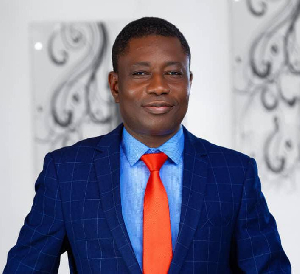
Denge Josef Onoh, Chairman of the Forum of Former Members of the Enugu State House of Assembly and former Southeast Spokesman for President Bola Ahmed Tinubu, has condemned remarks by African Democratic Congress (ADC) chieftain, Dino Melaye, in which the former senator allegedly invoked the death of former military Head of State, General Sani Abacha, as a prophecy concerning President Tinubu ahead of the 2027 elections.
Onoh, in a strongly worded statement titled, “Dino Melaye’s Blasphemy and the God of Patience,” accused the former Kogi West senator of attempting to “play God” and weaponise mortality against a sitting President for political advantage.
He described Melaye’s remarks as reckless, distasteful and blasphemous, while accusing him of hypocrisy and political opportunism.
Onoh was reacting to a viral social media post by Melaye in which the former lawmaker reportedly wrote that “God picked His phone and called Abacha”, implying that a similar fate could await President Tinubu.
Onoh said it was “both tragic and comical” that a politician whose career, according to him, had been characterised by “theatrical drama, unstable loyalties, and unbridled opportunism” had assumed the role of “God’s personal switchboard operator”.
He asked Melaye where the God he invoked was during his own “decade-long track record of societal disruption, legislative rascality, and ethical bankruptcy”.
Onoh said if God were as swift to punish wrongdoing as Melaye’s statement suggested, the former senator would have faced divine judgment long ago.
“For the records of the public, I feel compelled to remind Nigerians of the very actions Dino Melaye perpetrated against the State—actions that the same merciful God chose to overlook, giving him time to repent, an opportunity he has clearly weaponized into arrogance,” Onoh said.
He accused Melaye of undermining the judiciary in 2017, alleging that the former senator was caught in a widely circulated audio recording involving Justice Akon Ikpeme, the tribunal judge handling his election case.
Onoh also recalled an incident in which Melaye, then a member of the House of Representatives, allegedly led a physical confrontation that disrupted legislative proceedings and resulted in torn clothes, injuries and his suspension.
He further accused the former lawmaker of undermining security institutions by jumping out of a moving police vehicle while attempting to evade arrest, followed by what Onoh described as a dramatic “collapse” on the road and subsequent hiding in a hospital and up a tree.
Onoh also criticised Melaye’s role during the 2023 presidential election collation at the National Centre in Abuja, alleging that he attempted to halt the constitutional process because the results did not favour his principal.
He accused Melaye of bringing the Senate into disrepute through alleged physical threats and misogynistic language directed at Senator Oluremi Tinubu, now the First Lady.
Onoh said Melaye should understand that “God is a God of long-suffering and patience”, arguing that the same patience had given the former senator opportunities to change his ways.
“It is that divine patience that kept Melaye alive when he was jumping out of police trucks, jumping from political party to political party, and flaunting unexplained luxury while his constituents wallowed in poverty,” he said.
The former presidential spokesman said President Tinubu was instead focused on implementing difficult economic reforms aimed at addressing what he described as decades of systemic decay.
According to Onoh, the outcome of the 2027 general election would be determined by Nigerians through the ballot box and not by what he described as “malicious, superstitious curses masked as spiritual insights”.
He advised Melaye to abandon what he called his “self-appointed role as a divine prophet of doom” and seek forgiveness for his own alleged past transgressions.
Onoh said the political contest ahead of 2027 should be based on issues, policies and the democratic choice of Nigerians rather than personal attacks or predictions of death against political opponents.
General News of Friday, 7 August 2026
Source: www.thecable.ng
Onoh blasts Dino Melaye over Tinubu death prophecy
 Former Vice President Atiku Abubakar




Opinions