From Yoruba street-pop to Igbo highlife and Hausa hip-hop, Naomi Chima takes a look at Nigerian artistes who have helped bring indigenous languages and local musical traditions to wider audiences
Olamide
Olamide Adedeji, popularly known as Olamide Baddo, is one of the leading figures in Yoruba street-hop. Raised in Bariga, Lagos State, he built a sound around Yoruba lyrics, street expressions, and stories reflecting everyday Nigerian life.
His breakthrough came with Eni Duro in 2010, followed by his debut album, Rapsodi, in 2011. Songs such as Omo To Shan, Durosoke, Bobo and Wo!! strengthened his reputation for combining indigenous expressions with contemporary hip-hop and Afrobeats.
Beyond music, Olamide founded YBNL Nation in 2012, providing a platform for artistes including Fireboy DML and Asake. His career demonstrates how Yoruba rap can move from the streets into the mainstream without losing its identity.
Asake
Ahmed Ololade, known professionally as Asake, has become a prominent figure in contemporary Yoruba street-pop. His sound combines Yoruba expressions, fuji influences, choral arrangements, and contemporary dance rhythms.
A theatre and performing arts graduate of Obafemi Awolowo University, Asake initially explored performance and dance before establishing himself in music. Songs such as Lady and Mr Money attracted attention, while his collaboration with Olamide on Omo Ope in 2022 marked a major turning point.
His albums Mr Money with the Vibe and Work of Art expanded his audience, while Lungu Boy, released in 2024, featured international artistes including Travis Scott and Stormzy.
Asake’s success shows how Yoruba expressions can complement contemporary global sounds rather than limit an artiste’s appeal.
Phyno
Chibuzor Azubuike, popularly known as Phyno, is a major figure in Igbo-language rap. Born and raised in Enugu State, he began his music career as a producer before becoming a recording artiste.
His collaboration with Olamide on Ghost Mode in 2012 helped raise his national profile. His debut album, No Guts No Glory, followed in 2014, featuring songs that strengthened his position in Nigerian hip-hop.
Other notable tracks include Man of the Year, Alobam and Fada Fada. By combining Igbo lyrics with modern rap production and highlife influences, Phyno has helped make indigenous-language hip-hop appealing to audiences beyond the South-East.
Zlatan
Omoniyi Raphael, popularly known as Zlatan Ibile, rose to prominence through music combining Yoruba expressions, street slang, and dance-driven rhythms.
His song My Body, featuring Olamide, attracted wider attention in 2017. In 2018, Able God, featuring Chinko Ekun and Lil Kesh, and Zanku (Leg Work) strengthened his position in Nigerian street-pop.
The Zanku dance became a popular entertainment trend, demonstrating how music rooted in street culture can influence mainstream dance and youth culture.
Through his music and Zanku Records, Zlatan has built a brand around catchy expressions, relatable language, and energetic rhythms. His career highlights the commercial potential of indigenous expressions when combined with danceable contemporary sounds.
Flavour
Chinedu Okoli, popularly known as Flavour N’abania, has built his career around Igbo highlife, traditional rhythms and cultural expression.
He began playing drums in church at about 13 before developing his skills as a musician, keyboardist and backing vocalist. His debut album, N’abania, was released in 2005, while his second album, Uplifted, released in 2010, brought him wider recognition through the hit song Nwa Baby (Ashawo).
Other popular songs include Oyi, Ada Ada, Golibe and Baby Na Yoka. His music and performances frequently celebrate Igbo identity through language, dance and visual presentation.
Flavour has demonstrated that traditional musical influences can remain commercially successful while preserving their cultural significance.
Reminisce
Remilekun Safaru, popularly known as Reminisce, has earned recognition for combining Yoruba lyrics with English and Nigerian Pidgin.
Born in Kaduna State and associated with Ogun State, he developed a musical style built around indigenous expressions, storytelling, and observations about everyday life.
Songs such as Kako Bi Chicken, Tesojue, Daddy Mi, and Local Rappers helped establish his reputation. His albums Alaga Ibile and Baba Hafusa further strengthened his position in Nigerian hip-hop.
Reminisce has demonstrated how indigenous-language rap can communicate personal experiences and social realities while entertaining a broad audience.
9ice
Abolore Akande, popularly known as 9ice, is recognised for his distinctive vocal delivery and use of Yoruba proverbs.
Born in Ogbomosho, Oyo State, and raised in Lagos, he developed a musical style that placed indigenous expressions at the centre of contemporary Nigerian pop.
His hit song Gongo Aso became a defining record in his career. Other notable songs include Street Credibility, Make Dem Talk and Photocopy.
Through his storytelling, proverbs and cultural references, 9ice helped demonstrate that Yoruba-language music could achieve mainstream success while preserving the humour and wisdom embedded in the language.
Kcee
Kingsley Okonkwo, popularly known as Kcee, first gained recognition as one half of the music duo KC Presh before pursuing a solo career.
His 2013 hit Limpopo marked a major turning point. Years later, Ojapiano introduced a fresh dimension to his music by combining the traditional oja flute, associated with Igbo music, with amapiano-inspired production.
The song demonstrated how a traditional instrument could become central to a contemporary dance record.
Kcee’s work illustrates that embracing cultural identity does not require abandoning modern production. Instead, indigenous instruments can inspire new sounds that appeal to younger audiences.
DJ AB
Haruna Abdullahi, professionally known as DJ AB, is a Kaduna-born rapper, singer, songwriter, and producer associated with contemporary Hausa hip-hop.
He combines Hausa and English lyrics with hip-hop, Afrobeats and pop, often exploring love, relationships and everyday experiences.
His career began gaining momentum around 2011, with songs such as Kumatu, Soyayya and Ke Da Ni helping him build an audience. Da So Samu Ne further strengthened his popularity.
Through his melodic delivery and relatable lyrics, DJ AB has helped introduce Hausa-language music to younger listeners, demonstrating that Northern Nigerian stories and expressions can find a place in contemporary popular music.
Zoro
Owoh Chrismathner, popularly known as Zoro Swagbag, is one of the artistes associated with the growth of contemporary Igbo rap.
His music combines Igbo expressions, hip-hop, highlife and street rhythms, drawing on the culture and everyday experiences of south-eastern Nigeria.
Zoro gained wider recognition with Ogene, featuring Flavour. The song’s blend of Igbo cultural elements and contemporary production helped establish him as a recognisable name in indigenous-language music.
Other notable songs include Achikolo, Echolac and Stainless, featuring Simi.
By placing Igbo language and cultural references at the centre of his music, Zoro has helped show that indigenous rap can remain relevant in a changing music industry.
Umu Obiligbo
Umu Obiligbo, the highlife duo comprising brothers Okpuozor and Ifeanyichukwu Obiligbo, have built a following through music rooted in Igbo culture and traditional highlife.
Their catalogue includes Ife Di Mma, Udo Ga Di and Awele, the latter featuring Flavour. Their collaboration with Flavour and Phyno on Culture, released in 2019, further increased their visibility.
The brothers continued to draw on their heritage with projects including Signature (Ife Chukwu Kwulu) and Legacy. Their songs combine indigenous storytelling with traditional rhythms and contemporary arrangements.
Their work demonstrates how Igbo highlife can evolve to suit modern audiences while retaining its cultural roots.
Mr Raw
Edward Ukeje, known professionally as Mr Raw and formerly as Dat Nigga Raw, is one of the pioneers of Igbo-language rap in Nigeria.
At a time when Nigerian hip-hop was heavily influenced by American rap, he stood out for incorporating Igbo expressions, local humour and everyday experiences into his music.
His albums include Right and Wrung (2005), Everything Remains Raw (2007), End of Discussion (2010) and The Greatest (2012).
In 2010, he adopted the name Mr Raw, explaining that his former stage name created difficulties for his music on some international platforms.
His early work helped establish a foundation for later artistes, including Phyno and other performers who have continued to explore Igbo rap.
Chike
Chike Osebuka, popularly known as Chike, is a singer-songwriter whose music combines R&B, soul, Afropop and highlife.
He first gained national attention on The Voice Nigeria, where he finished as runner-up in 2016. His debut album, Boo of the Booless, released in 2020, established him as a prominent voice in Nigerian R&B and Afropop.
He followed it with The Brother’s Keeper in 2022 and Son of Chike in 2024. The latter explored identity, heritage, and personal growth, with songs including Egwu, Man Not God, Someone, and Balance Am.
While English remains prominent in his music, Chike’s work draws on the highlife traditions and cultural influences of south-eastern Nigeria. His career illustrates how indigenous musical heritage can complement contemporary love songs and other popular genres.
OG Abbah
OG Abbah represents a younger generation of Northern Nigerian artistes exploring the use of Hausa language in contemporary music.
His sound combines Hausa expressions with Afrobeats, Afro-fusion and amapiano-inspired production. Songs such as Wayyo Allah Na, Asalamaleku and Hausapiano reflect his interest in blending local identity with modern dance rhythms.
His approach demonstrates how Hausa-language music can appeal to younger listeners through familiar expressions and contemporary arrangements.
Although he is at an earlier stage of his career than established artistes such as Morell and DJ AB, OG Abbah reflects the continuing evolution of indigenous-language music in Nigeria.
Entertainment of Saturday, 31 October 2026
Source: www.punchng.com
Afrobeat stars turning indigenous languages into global hits
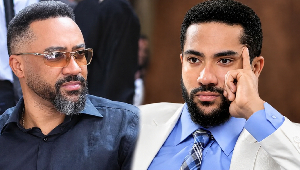
 Singers Flavour and Kcee