


Health News of Thursday, 22 October 2026
Source: www.mynigeria.com
Ebola: 'Avoid handshakes and hugs' - Expert urges Nigerians

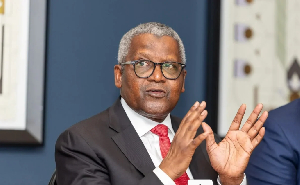
The President of the Academy of Medical Sciences, Prof. Oladapo Ashiru, has urged Nigerians to stop shaking hands and hugging, observe strict personal hygiene and promptly report suspected cases, following the confirmation of an Ebola case in Abuja.
Speaking in an interview with Arise News on Wednesday, Ashiru described the situation as serious but manageable, saying public awareness, early detection and strict infection prevention would be critical to containing the threat. He pointed to Nigeria's handling of the 2014 outbreak as proof that it can be done.
"It can be managed. And the way we manage this depends on how we respond to this situation. We successfully managed this in 2014 when there was an index case in Lagos, and it was critically managed and contained," he said.
Ashiru said it was still unclear how the patient was infected. "Right now, we have one case confirmed in Abuja. Whether in transit or from Uganda, we don't know," he said.
He explained that Ebola differs from COVID-19 because it is not airborne and spreads mainly through direct contact with the blood and other bodily fluids of an infected person.
"The major way you can get it is by contacting the body fluid or secretions of somebody showing the signs of Ebola," he said. He advised Nigerians to suspend customary greetings involving physical contact for now.
"This is a time for Nigerians, as the Academy of Medical Sciences has stressed, to refrain from shaking hands and hugging," he said.
The medical expert also called on public and private hospitals and clinics to strengthen surveillance and stay alert to patients with symptoms suggestive of Ebola.
"The private clinics must be on high alert in terms of once you recognise a case with fever or you suspect it, you have to be proactive in suspecting such cases," he said. He particularly cautioned health workers about the risks involved in removing personal protective equipment after attending to suspected or confirmed cases.
Nigeria's last major brush with Ebola came in July 2014, when an infected traveller arrived in Lagos. The outbreak was traced and contained, with 20 confirmed cases and eight deaths, and the World Health Organisation declared Nigeria Ebola-free in October that year. The response is still widely cited as a model of rapid contact tracing.
ID





Opinions
