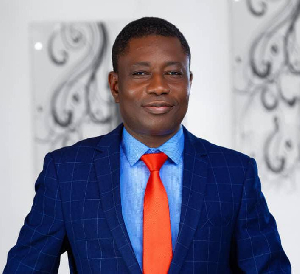
For over a week, I have been in the news on the basis of multiple claims that I had said that there was no persecution of Christians in Nigeria.
The outpouring of emotions is understandable, especially against the backdrop of the inviolability of life, the extermination of which must not be undermined by any debates on numbers or intent.
I am grateful to my colleagues at The Kukah Centre, who issued a Statement while I was caught up with a tight schedule. I nevertheless believe that is no substitute for my personal responsibility.
First, let me say how sincerely sorry I am to be associated with representations that understandably are a source of great pain and mental anguish to so many of my brothers and sisters within the body of Christ. The outpouring of emotions suggests to me the investment of trust in me, an onus I do not take lightly.
I am baffled that despite the clarity of my position, there appear to be determined efforts to ascribed to me a position as saying that there is no persecution of Christians in Nigeria. Nothing could be further from the truth.
Do you live in Ogijo
So, for the records, I did not say that Christians are not persecuted in Nigeria! Addressing an audience of the Catholic Knights of St. Mulumba in Kaduna on 28th November, I had spoken about the challenges of bearing witness to Christ in a time of persecution. I drew lessons from history and the stories of brave men and women in Nigeria and Africa as models of witnessing in times such as these. I concluded that the greatest challenge for Christians was unity and solidarity. Given the huge human and material resources that we have as Christians in Nigeria, if only we stood together, I argued, we would have no reason to be victims of persecution. Nothing here implied a denial of the fate of Christians.
Over the years, I have spoken extensively on the theme of persecution of Christians and have argued then, as now, that by whatever name we choose to call or describe our predicament, the bloodshed needs to end as soon as yesterday because our common humanity is at stake. The government and its security agencies have an urgent responsibility to bring the perpetrators to account. It is their neglect of this duty or their failure to accomplish it that detains us all in an appearance of disagreement without difference.
As a people, I believe we owe ourselves the collective duty to regain our humanity, not as perpetual victims but as equal citizens of our land. Too many innocent souls have been lost, too much blood shed and our children and citizens are in captivity. Amidst the nadir of this pain, it is important that we focus on reclaiming the soul of our nation.
I am deeply sorry for the unnecessary distraction. These moments are too serious for us to equivocate. This is not the time for us to retreat or be distracted. This is a contest that we must win. The journey may be painful. We may falter along the way but we will only reach our destination by learning our lessons, standing up even when we stumble, and always keeping our eyes on the ultimate prize – peace for our country, justice for those injured, and reconciliation for our people.
This is a struggle that I have committed most of my pastoral and intellectual life to. It is a struggle in which I pray that, by clinging to the old rugged cross, we can one day exchange it for a crown. So, let us all get back on the road, especially as the spirit of Bethlehem beckons.
Matthew Hassan Kukah is the Bishop of the Catholic Diocese of Sokoto, Nigeria.
Opinions of Tuesday, 9 December 2025
Columnist: www.mynigeria.com
On the persecution of Christians in Nigeria: My response, By Matthew Hassan Kukah
 Matthew Kukah





Opinions