


Twenty-one states have enacted the Model Harmonised Taxes and Levies Law as part of efforts to eliminate multiple taxation, reduce illegal revenue collection and streamline tax administration across Nigeria.
The Executive Secretary of the Joint Revenue Board, Olusegun Adesokan, disclosed this on Wednesday during a press briefing at the board’s headquarters in Abuja, saying the reforms have consolidated more than 100 existing taxes and levies into nine categories.
Adesokan said, “As of yesterday, 20 states had passed it. But by yesterday evening, I understood that we have 21 states now.”
According to a presentation displayed at the briefing, the states are Kebbi, Kaduna, Zamfara, Ekiti, Enugu, Abia, Anambra, Gombe, Adamawa, Yobe, Borno, Niger, Plateau, Benue, Kogi, Kwara, Nasarawa, Akwa Ibom, Bayelsa, Delta and Ondo.
The development means 15 states have yet to enact the model legislation, although the board expressed confidence that more states would complete the process in the coming months.
Adesokan explained that the legislation was developed in collaboration with the Presidential Committee on Fiscal Policy and Tax Reforms to address overlapping taxes imposed by different levels of government.
The nine categories are income tax, stamp duties, property tax, road tax, haulage levy, economic development levy, harmonised levy, user charge and daily ticket.
He explained that user charges cover services such as parking, signage, street naming, waste disposal and certain registration fees, while daily tickets encompass market levies, abattoir fees and transport-related charges.
The JRB chief acknowledged that multiple taxation and harassment of traders and transporters remained widespread despite the reforms.
“We know the problem exists, and we are working to fix it. We may not be able to clear everything completely today, but as time goes on, we are working on it,” he said.
He disclosed that the board was collaborating with the police and state revenue authorities to establish an enforcement structure against unauthorised collectors, particularly those operating on highways.
According to him, illegal roadside collections contribute to higher transportation costs, ultimately affecting food prices and the cost of goods.
A presentation by the board also disclosed that its 158th meeting approved a nationwide ban on the sale of revenue stickers and emblems, while introducing zero tolerance for roadblocks and cash collection.
Adesokan said enforcement would commence soon, stressing that practices entrenched over several decades would require sustained intervention.
He added that the National Economic Council had included subnational tax harmonisation among priorities under its 90-day economic action plan.
The executive secretary also disclosed that tax revenue from 23 states increased by 27 per cent in the first half of 2026 compared with the corresponding period of 2025.
He said data from the same states indicated that approximately 92 per cent of income taxpayers were paying lower- or zero-income tax under the revised system.
Business News of Thursday, 29 October 2026
Source: www.punchng.com
21 states adopt tax laws to curb multiple taxation
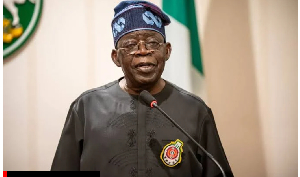
 Mr. Olusegun Adesokan, Executive Secretary, Joint Revenue Board



Opinions
