


The Nigerian Midstream and Downstream Petroleum Regulatory Authority (NMDPRA) has pointed to a chain of supply-related factors as the reason petrol pump prices continue to fluctuate across Nigeria under the current deregulated framework.
George Ene-Ita, the authority's head of public affairs, gave the explanation during an interview with the News Agency of Nigeria (NAN) in Abuja on Sunday, September 6, 2026.
According to Ene-Ita, the full deregulation of petrol prices means that every variable within the supply chain is reflected in what consumers pay at the pump.
He listed crude oil procurement, single-source domestic refining, delays between offshore crude sourcing and refinery delivery, and the gap between ordering imported fuel cargoes and their arrival at Nigerian ports as key contributors to price movement.
He said:
"These factors include single source domestic refining, sourcing of crude oil as feedstock, time lag between when crude is sourced offshore and when it eventually arrives the refinery.
"They also include time lag between when PMS cargoes are ordered and when they eventually arrive our ports for subsequent inland distribution and supply in the case of imported fuel."
What else is driving petrol costs?
Beyond crude and logistics, Ene-Ita said landing costs, transportation expenses, and marine and inland taxes tied to the movement of petroleum products also add to the final price at the pump.
He acknowledged the complexity of the situation, saying: "This issue is knotty in the sense that there are various factors involved."
On the question of refinery and depot-level pricing, the spokesperson confirmed that refinery pricing templates and ex-depot prices fall outside the scope of regulation under the current framework.
Ene-Ita suggested that a more developed domestic refining sector could eventually ease pricing pressures.
"Perhaps when the domestic refining ecosystem becomes more robust, competitive and sustainable, the issues regarding pricing will become clearer and more beneficial to consumers," he said.
NMDPRA working with agencies on price stability
Despite the deregulated environment, EneIta said the NMDPRA is not operating in isolation.
The authority is collaborating with stakeholders and government agencies, including the Federal Competition and Consumer Protection Commission (FCCPC), to ensure that prices remain fair and consistent for consumers at the last mile of distribution.
The clarification comes amid continued public concern over the unpredictability of fuel prices since Nigeria fully removed petrol subsidies, a policy shift that has contributed to broader cost-of-living pressures across the country.
Business News of Tuesday, 8 September 2026
Source: www.legit.ng
NMDPRA explains why petrol prices keep rising and falling in Nigeria
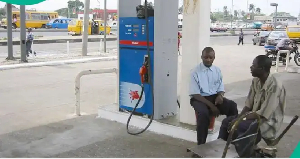 NMDPRA explains petrol price hikes in Nigeria


