Chief Executive Officer of Jumia Group, Francis Dufay, has offered a perspective that placed Nigeria not at the margins of risk, but at the centre of reform, growth and stability.
Speaking during a panel on emerging markets, at the Sohn Conference in New York, Dufay described the period between 2021 and 2024 as one of the most difficult economic cycles in recent memory for African markets, with Nigeria among the hardest hit.
Sharp currency swings, weakened consumer purchasing power, and inflation created a challenging operating environment, particularly for sectors tied to imports, logistics, payments, and retail demand. For businesses like Jumia, where pricing stability, inventory planning, and payment predictability are critical, the volatility tested resilience.
But according to Dufay, the pressure forced structural responses, arguing that Nigeria’s reform trajectory, particularly under President Bola Tinubu, has marked the beginning of a new macro-cycle. Measures around exchange rate unification, fiscal adjustments, and broader economic restructuring, he suggested, are gradually creating a more transparent and stable operating environment for compliant businesses.
He pointed to Nigeria as a clear case study of reform under strain. “Nigeria was in a tough situation three or four years back,” he noted.
adding that recent policy shifts are laying the foundations for greater stability. For e-commerce and digital platforms, that stability translates directly into improved pricing models, better supplier relationships, stronger payment flows, and renewed investor confidence.
Business News of Friday, 5 June 2026
Source: www.vanguardngr.com
Nigeria’s economic recalibration good for business — Jumia CEO
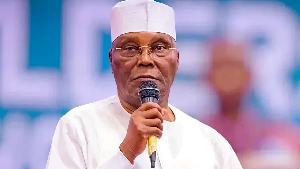
 The photo used to illustrate the story