The Federal Government has unveiled new guidelines for the safe and efficient interconnection of solar mini-grids to electricity distribution networks, aimed at accelerating renewable energy deployment and improving electricity access across Nigeria.
Speaking at the launch in Abuja, the Managing Director of the Nigerian Electricity Management Services Agency (NEMSA) and Chief Electrical Officer of the Federation, Engr. Olusegun Adesayo, described the document as “a major milestone in Nigeria’s drive towards achieving a safe, reliable, sustainable and inclusive electricity supply industry.”
According to him, solar mini-grids have emerged as a critical solution for electrifying unserved and underserved communities, making clear operational standards necessary.
“The Guidelines provide comprehensive procedures, technical requirements, interconnection models and operational standards for integrating solar mini-grids into distribution networks without compromising grid stability, power quality, system reliability and public safety.
“The Guidelines seek to reduce uncertainties for investors and developers while strengthening collaboration among Distribution Companies, mini-grid developers, regulators and other stakeholders,” he said..
Adesayo added that the framework aligns with the provisions of the Electricity Act 2023, the Mini-Grid Regulations 2026 and relevant national and international standards, including IEC standards.
Also speaking, Permanent Secretary, Federal Ministry of Power, Alhaji Mahmuda Mamman, represented by the Director of Distribution, Mustapha Abba, said renewable energy, particularly solar mini-grids, plays a strategic role in expanding electricity access, improving energy security and promoting sustainable economic growth.
“As this segment of the electricity market continues to grow, it becomes imperative to establish clear technical and operational frameworks that will ensure safety, reliability and efficient coordination between solar mini-grid systems and existing distribution infrastructure,” he said.
“The Guidelines being launched today provide an important framework for ensuring the safe, reliable and efficient interconnection of solar mini-grids to distribution networks across Nigeria.”
Mamman said the guidelines would strengthen investor confidence, reduce technical and regulatory uncertainties, improve system reliability and support the sustainable integration of renewable energy solutions into Nigeria’s electricity network.
Representing the Delegation of the European Union to Nigeria and ECOWAS, Programme Manager, Energy and Circular Economy, Mr. Godfrey Ogbemudia, said: “The launch of these Guidelines is particularly significant. We are confident that the Guidelines will provide consistency and increase investor confidence in interconnected mini-grid projects.”
He reaffirmed the European Union’s commitment to supporting Nigeria’s energy transition and electrification ambitions, while Head of Development Cooperation at the German Embassy, Dr. Karin Jansen, said Germany remains committed to supporting Nigeria’s efforts to expand energy access, strengthen institutions and mobilise private investment in renewable energy.
Business News of Wednesday, 3 June 2026
Source: www.vanguardngr.com
FG moves to accelerate mini-grid deployment with new guidelines
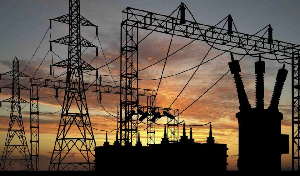 The photo used to illustrate the story