There are growing fears that more private firms may disconnect from Nigeria’s national grid and resort to captive power generation to sustain their operations, as persistent grid disturbances continue to undermine confidence in the country’s electricity supply system.
Daily Trust reports that the development is linked to recurring grid collapses and unstable power supply, which have repeatedly disrupted industrial activities and frustrated Nigeria’s drive toward sustainable industrialisation.
No fewer than 20 firms reportedly exited the national grid between January and September 2025, citing perennial generation failures and multiple system disturbances. The latest nationwide blackout, which occurred on Tuesday, was said to be the second within two weeks, plunging homes and businesses into darkness.
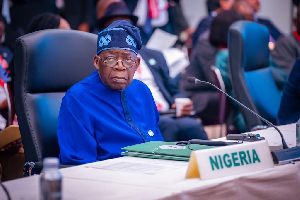
The outage came at a time when Nigeria is seeking to accelerate economic reforms under President Bola Tinubu’s Renewed Hope Agenda, which prioritises improved power supply as a catalyst for economic growth.
Although the Nigerian Independent System Operator (NISO) announced the restoration of electricity nationwide and downplayed the incident, stakeholders insist that the frequency of grid disturbances highlights deep structural weaknesses in the country’s transmission infrastructure.
Sources noted that by early last year, over 60 per cent of Nigerian companies had already reduced their dependence on the national grid, increasingly turning to diesel, gas-fired generators, and renewable energy solutions such as solar systems to power their operations.
The Manufacturers Association of Nigeria (MAN) had lamented that recurring grid failures are steadily eroding the competitiveness of local industries and frustrating efforts to grow the economy. The association called for an urgent and independent forensic audit of the national grid, covering its infrastructure, transmission systems, and overall management framework.
Experts warn that the exit of high-paying industrial customers poses a significant threat to the financial viability of Nigeria’s electricity market. They argue that as major consumers leave the grid, revenue shortfalls will worsen liquidity challenges within the already debt-ridden Nigerian Electricity Supply Industry (NESI).
According to stakeholders, the ongoing exodus reflects growing dissatisfaction with the services of generation companies (GENCOs), the Transmission Company of Nigeria (TCN), and distribution companies (DISCOs), as well as the high tariffs paid by large consumers.
They contend that beyond high tariffs, electricity supply remains epileptic, with some areas experiencing prolonged outages lasting days or even weeks following grid disturbances. The situation, they say, has severe cost implications for production, forcing companies to spend heavily on alternative energy sources.
Chinedu Bosah, National Coordinator of the Coalition for Affordable and Regular Electricity (CARE), told Daily Trust that the steady exit of companies and individuals from the national grid underscores what he described as the failure of the power privatisation programme.
He explained that as bulk electricity buyers abandon the grid, more firms will invest in private power plants, thereby increasing production costs and ultimately transferring the burden to consumers through higher prices of goods and services.
Bosah added that while DISCOs attempt to shore up revenues by migrating more consumers to the premium Band A tariff category, many households and small businesses are equally abandoning the grid in favour of solar and inverter systems due to high tariffs and unreliable supply.
“The long-term implication for the country includes discouragement of private investment, rising unemployment, higher production costs, and a further decline in living standards,” he said.
He also warned that GENCOs may be forced to generate less electricity as demand from industrial users shrinks, further compounding inefficiencies in the sector.
To stem the tide, Bosah urged the federal government to reverse the privatisation programme, invest heavily in infrastructure, and introduce a more transparent and accountable management structure involving workers, experts, and consumers.
Similarly, Adeola Samuel-Ilori, National Coordinator of the All Electricity Consumers Forum, described the exit of companies as evidence of what he termed government “hypocrisy” in addressing the moribund power sector.
He argued that while official statements often highlight improvements backed by statistical data, realities on the ground suggest otherwise.
“The implications are enormous. Investors will see the true state of the sector and may hesitate to commit capital to Nigeria,” he said.
Samuel-Ilori maintained that private enterprises cannot be faulted for seeking alternative energy sources to remain in business, stressing that the government must take decisive and far-reaching actions to restore confidence in the sector.
Also speaking, Uket Obonga, National Secretary of the Nigeria Electricity Consumers Advocacy Network (NECAN), warned that the exit of 20 companies does not bode well for the future of the Nigerian Electricity Supply Industry.
According to him, factories relying on alternative power sources incur significantly higher production costs, a development that fuels inflation and weakens the competitiveness of locally produced goods against imports.
He noted that the departure of major power users further strains liquidity within the sector, as domestic consumers are left to shoulder a disproportionate share of the financial burden.
Obonga described the trend as a potential precursor to a deeper crisis in the electricity market, warning that unless urgent reforms are undertaken, the sector could face a gradual collapse.
Business News of Monday, 16 February 2026
Source: www.dailytrust.com
Grid failures: More coys may exit as power sector faces cash squeeze
 The photo used to illustrate the story