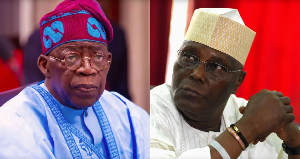
Speaker of the House of Representatives, Abbas Tajudeen has expressed concern over the high cost energy supply in the country band the huge implications in small businesses and the cost of living in the country.
Speaking at an investigative hearing by the House Committee on Renewable Energy, Abbas spoke of the need to enhance systemic efficacy, uphold institutional integrity, and promote Nigeria’s progress.
He said it was as a result of the concern about the multidimensional economic implications of poor electricity power challenges as the nation has been faced with in recent years that the national Assembly to alter the electricity act to include renewable energy.
He said “As a Parliament, the National Assembly is always concerned with the multidimensional economic implications of poor electricity power challenges as the nation has been faced with in recent years.
“The huge cost implications of running businesses in the nation with generators – whether by big manufacturing companies or Small and Medium Scale outfits – and the overall adverse impact on the cost of living or living conditions of the people and economic and social developments, essentially propelled the National Assembly to alter the former Act of 2005.
“One important objective of the Electricity Act, 2023 is to provide a holistic integrated policy plan that recognizes all sources for the generation, transmission, and distribution of electricity, including the integration of Renewable Energy into Nigeria’s energy mix.
“There is a global quest for safer, sustainable and renewable energy, on account of the glaring impact of carbon emissions from fossil fuels on our environment. The growing effects of global warming and climate change are not only reserved as topics for big climate conferences around the world, but could alarmingly be felt all around us in different forms.”
“It has also been argued that self-preservation is the first law of life, and to that effect, we may also agree on a consensus that there is a need for a new way of doing things and this subject of energy, Renewable Energy is a sure way to go.
“Besides the need for clean energy, there’s also a growing conversation across board about sustainable development in every sphere of life, or sectors of corporate or governance structures.
“As a Parliament, we understand this development and have made efforts, in line with our legislative responsibilities, to be proactive in putting mechanisms in place to facilitate a seamless transition to the renewable and sustainable development mix.
“Part of the key steps we have taken to enable this is to make renewable energy a core component of the Electricity Act, making it compulsory for its deliberate integration the nation’s quest in increasing its energy production and sustainability in order to meaningfully boost the economy.
“Beyond putting in place a legal framework that would drive this process, the House of Representatives also thought it necessary to create and empanel a committee specifically for this emerging sector in the power industry.
“This particular decision underscores the resolve of the House to not only promote the renewable energy agenda but also to energize the process by ensuring a close monitoring of the implementation of the Electricity Act, as it concerns the renewable energy component.
Abbas said that with diverse renewable energy resources available in Nigeria, I believe that if the enabling technology is developed and funded, renewable energy has the potential to bridge the energy gap in Nigeria.
“So, the time for investment in the renewable energy sector is now and as the government is doing its own part, in legislative backing and policy formulation, I also encourage other stakeholders to take advantage of this development by exploring the potential in the sector and by also investing in it.
He said the House of Representatives, on October 22, 2025, directed the House Committee on Renewable Energy to investigate the domiciliation of green and renewable energy projects across Ministries, Departments, and Agencies (MDAs).
The investigation he said is aimed at assessing compliance with due process, capacity standards, and statutory mandates, Identify instances of misplaced, mismanaged, or underperforming projects due to inappropriate domiciliation and recommend redress measures and sanctions where applicable.
He said the Committee has also been mandated to investigate foreign grants and investments received in the renewable energy sector from 2015 to date and the utilization of renewable energy in MDAs.
Chairman of the House Committee on Renewable Energy, Afam Victor Ogene said the investigation of the ‘Grants and Investments’ for the development of the renewable energy sector in Nigeria since 2015, as mandated by the House has been ongoing, but halted to address the uncooperative tendencies by some Ministries, Departments, and Agencies of government who were directly involved with dealings in investment, procurement, and receipt of grants for the development of the renewable energy sector.
Ogene lamented that many of the streetlights installed for the good of the people go bad less than six months after installation, saying “do streetlights in Europe and other parts of the world suffer the same fate? What could be responsible for this economic wastage, considering the high cost of procurement and installation of these dysfunctional streetlights to the nation?
“These issues are indeed critical. The prevalence of dysfunctional streetlights, often failing shortly after installation, raises concerns about procurement practices, maintenance, and the overall value for public investment. Comparing our infrastructure to global standards, such as those in Europe, highlights potential inefficiencies and areas for improvement.
“Addressing these challenges is crucial to curbing economic wastage and ensuring sustainable development.
“The proposed resolution for MDAs to source 50per cent of their power needs from renewable energy sources presents a mutually beneficial opportunity for the nation. This initiative is expected to attract investments, stimulate job creation, and enhance sustainability in the electricity sector.
“Achieving this objective will require assessing current renewable energy utilization in MDAs, identifying areas for improvement, and implementing strategies to increase adoption. This approach can contribute to a more diversified energy mix, reduced reliance on traditional sources, and a more resilient energy infrastructure.”
Business News of Wednesday, 25 February 2026
Source: www.nationsonlineng.net
Poor power supply impacting SMEs, living conditions - Speaker Abbas
 Speaker of the House of Representatives, Abbas Tajudeen