39,315 people receiving HIV treatment in Abia – Agency
Healthwise
November 29, 2026 6:50 am
Abia
By
Sunday Nwakanma
No fewer than 39,315 people are currently receiving antiretroviral treatment for HIV in Abia State, the state government has said.
The Director-General of the Abia State Agency for the Control of HIV and AIDS, Dr Uloaku Ukaegbu, disclosed this on Saturday while briefing journalists in Umuahia as part of activities marking the 2026 World AIDS Day.
Ukaegbu said the patients were accessing treatment at 40 comprehensive health facilities across the state, adding that the figure included people from neighbouring states who travelled to Abia to receive medication.
She said women accounted for a higher proportion of those receiving treatment, with females making up 61.2 per cent of the patients, compared with 38.8 per cent for males.
“There are more females accessing antiretroviral treatment, accessing the medication that is used to keep people who have HIV stronger and well.
“There is a disparity in the ratios. It is more common amongst females than men. So, the ratio is 38.2 to 61.8. That is 38.8 per cent are males, 61.2 per cent are females. So, women are disproportionately and worse affected by HIV and AIDS,” she said.
The agency’s Director-General, however, said the state had recorded a decline in newly detected HIV cases, from 2,251 in 2025 to 1,905 in 2026.
According to her, the decline was recorded despite an increase in HIV testing, which she said indicated improvements in the state’s response programme.
“Between 2025, we had 2,251 new cases detected. In 2026, we have had 1,905 new cases. So, there is a decline,” she said.
She added, “The testing has increased and has yielded a decline, which means that our response programme is very efficient and effective. It is achieving the goals which is expected to achieve.”
Ukaegbu explained that not all the 39,315 people receiving treatment in the state were residents of Abia, noting that some travelled from neighbouring Imo and Rivers states to access medication at the facilities.
She said the agency, alongside the State Agency for the Control of AIDS Prevention, had intensified HIV testing at the grassroots and community levels to improve access to diagnosis.
With the theme of this year’s World AIDS Day, “Ending AIDS Starts with Access”, Ukaegbu urged young people and other residents to get tested, stressing that HIV was no longer a death sentence when properly managed.
“My advice to young people is that HIV/AIDS is not a killer disease. It is a chronic disease, a chronic ailment that can be managed. The danger is in not getting tested,” she said.
She assured residents that testing kits and antiretroviral drugs were available at the state’s comprehensive treatment centres, adding that treatment was provided free of charge to people confirmed to be HIV-positive.
“They don’t pay any kobo. The drugs are given for free to anybody who has been confirmed to be HIV positive,” she said.
The agency chief, however, raised concerns over donor fatigue, warning that foreign organisations currently supporting the provision of free HIV medication in Nigeria and other developing countries might withdraw their assistance.
She said development partners had urged governments at the federal, state and local levels to prepare to take greater responsibility for funding and sustaining HIV response programmes from 2030.
General News of Sunday, 29 November 2026
Source: www.punchng.com
39,315 people receiving HIV treatment in Abia – Agency
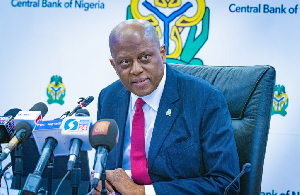
 Illustrative photo