


With petrol prices putting pressure on Nigerian motorists, Compressed Natural Gas (CNG) offers an alternative that could help reduce fuel expenses.
The Federal Government is expanding CNG adoption through its Presidential Initiative on Compressed Natural Gas and Electric Vehicles (Pi-CNG & EV), which supports vehicle conversions and the development of refuelling infrastructure.
However, motorists should consider the following factors before making the switch.
1. Cost of Conversion
Converting a vehicle to CNG requires an upfront investment. The government's programme lists indicative conversion costs of ₦350,000 to ₦600,000 for passenger cars, although prices vary by vehicle and kit specification. Check current rates and available subsidies before paying.
2. Availability of Refuelling Stations
Motorists should confirm that CNG stations are accessible along their regular routes. Nigeria's refuelling network is expanding, but station availability and operating status vary by location. The official Pi-CNG & EV station directory can help drivers plan.
3. Vehicle Compatibility
Not every vehicle is suitable for conversion. Have a qualified technician assess the engine, fuel system and vehicle condition before proceeding. Ask whether the proposed kit is compatible with your specific make and model.
4. Maintenance Requirements
CNG systems require regular inspections of cylinders, valves, pipelines and other components. Motorists should confirm that trained technicians and replacement parts are available in their area and budget for routine servicing.
5. Safety and Installation Standards
Safety should be a priority when converting a vehicle. Use a Pi-CNG & EV-approved conversion centre and certified equipment, and ensure the installation undergoes the required safety checks. Avoid unqualified installers offering unusually cheap services.
6. Environmental Benefits
CNG generally produces less carbon dioxide per unit of energy than petrol or diesel and can reduce some harmful exhaust emissions. However, the overall environmental benefit depends on factors such as methane leakage during production and distribution.
7. Government Support and Incentives
The Federal Government has been expanding its CNG conversion programme, including efforts to make conversion more affordable. Motorists should check the official Pi-CNG & EV website for current eligibility requirements, approved centres and available subsidies rather than assume every vehicle qualifies for free conversion.
8. Vehicle Performance and Boot Space
A properly converted vehicle may experience a slight reduction in maximum power output. The CNG cylinder can also take up boot space, depending on the vehicle and installation. Drivers should discuss these trade-offs with their technicians before proceeding.
9. Resale Value
CNG conversion can influence a vehicle's resale prospects. Some buyers may appreciate the potential fuel savings, while others may prefer an unmodified vehicle. Keep installation records and maintenance documents to reassure prospective buyers about the system's condition.
10. Potential Long-Term Savings
CNG can be cheaper to use than petrol, but savings depend on the price of gas, the vehicle's fuel consumption, driving distance and conversion cost. Compare your current monthly fuel spending with projected CNG expenses to estimate how long it could take to recover the conversion cost.
Ultimately, converting to CNG may help motorists reduce running costs, but the decision should depend on vehicle suitability, access to refuelling stations, installation safety and realistic savings.
Business News of Monday, 26 October 2026
Source: www.legit.ng
CNG vs Petrol: 10 things Nigerian car owners should know before converting their vehicles
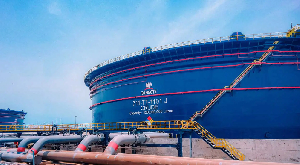
 File photo to illustrate story







Opinions
