Central Bank of Nigeria (CBN) Governor Olayemi Cardoso has disclosed that Nigeria’s foreign exchange reserves have surged to $55.1 billion, reaching their highest level in 18 years and significantly boosting the country's defense against global economic shocks.
Speaking at the ongoing IMF-World Bank Annual Meetings in Bangkok, Thailand, Cardoso defended the administration's monetary policy adjustments and structural economic reforms, emphasizing that the expanding reserve buffer, alongside naira stability and moderating inflation, is beginning to shield domestic households and businesses from external market volatility.
According to the CBN governor, the rapid accumulation of foreign reserves is more than a macro-financial benchmark; it serves as an essential economic safeguard against geopolitical conflicts and international trade uncertainties.
"A stronger reserve position gives the country greater capacity to respond to external pressures and helps support confidence in the FX market," Cardoso stated, arguing that without these key interventions, Nigeria would have faced significantly harsher economic consequences amid shifting global dynamics.
Cardoso highlighted the naira's relative exchange rate stability and recent appreciation, noting that a firm local currency reduces landing costs for imported goods and industrial raw materials, ultimately benefiting consumers.
Addressing the impact of macroeconomic trends on everyday living standards, the CBN chief pointed to declining inflation as a vital relief mechanism for low-income households whose purchasing power has been eroded by rising costs.
He urged citizens to acknowledge the tangible structural gains being recorded rather than discounting the long-term impact of ongoing reforms.
ID
Business News of Friday, 16 October 2026
Source: www.mynigeria.com
Highest in 18 Years: Nigeria’s external reserves hit $55.1bn as Cardoso defends economic reforms
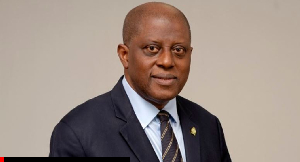 CBN Governor Olayemi Cardoso