About 1,000 export containers are currently stranded at the APM Terminals (APMT) in Lagos as persistent port congestion and inadequate vessel capacity continue to disrupt cargo evacuation. This is raising concerns over potential losses to exporters and prompting the Nigerian Shippers’ Council (NSC) to intervene.
The development follows complaints by shippers over the alleged abandonment of export containers at the nation’s ports by shipping companies, a situation stakeholders say is threatening the country’s non-oil export drive.
Speaking during an engagement with maritime reporters in Lagos, Head of NSC Complaints Unit, Mrs. Juliana Saka, disclosed that the Council engaged Maersk Nigeria after receiving complaints from exporters and shippers.
According to her, the shipping company informed the Council that about 1,800 export containers were awaiting shipment at APM Terminals.
Saka explained that most of the affected cargoes are exports destined for African countries and the Far East, with vessel rescheduling further worsening shipment delays.
She said Maersk attributed the backlog to a significant increase in Nigeria’s export volumes, limited vessel capacity and persistent congestion at APM Terminals.
According to Saka, the Council’s intervention was triggered by a petition from the National Association of Shippers alleging that more than 150 export containers had been abandoned at the port. She, however, noted that the initial complaint lacked the container identification numbers required to facilitate an investigation, prompting the Council to request additional information before commencing its inquiry.
She further disclosed that many of the stranded consignments consist of hibiscus flowers, one of Nigeria’s major non-oil export commodities, warning that prolonged delays at the port could compromise the quality of the products before they reach their destination markets.
“The shelf life of hibiscus is about one year, but extended delays at the port can affect its quality and market value,” she said.
Saka warned that the Council had advised Maersk that prolonged delays could expose the shipping company to compensation claims should exporters’ cargoes deteriorate before delivery.
“If the cargo arrives at its destination in poor condition as a result of these delays, Maersk may be liable for both the value of the damaged cargo and the freight already paid by the exporters,” she stated.
She added that Maersk had assured stakeholders that it was exploring the deployment of an additional vessel in the coming week to evacuate the outstanding containers. The Council, she said, would continue to monitor the situation closely to ensure exporters do not incur avoidable losses.
Also speaking, the Executive Secretary of the Nigerian Shippers’ Council, Dr. Pius Akutah, said the Council responded promptly after the complaints were brought to its attention, reiterating its commitment to protecting the interests of Nigerian shippers and exporters.
Akutah noted that the intervention comes as Nigeria intensifies efforts to expand its non-oil export earnings, stressing that logistics bottlenecks, vessel shortages and persistent port congestion remain major obstacles to improving the country’s export competitiveness.
Business News of Thursday, 9 July 2026
Source: www.thenationonlineng.net
Port congestion, vessel shortage stall 1,000 export containers
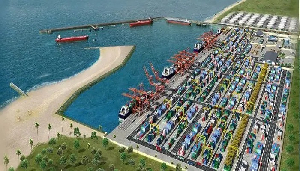 The photo used to illustrate the story




Entertainment