Dangote Cement Plc has unveiled plans to cut net carbon dioxide (CO‚ ) emissions intensity by 20 per cent while expanding production capacity to 80 million tonnes per annum (mtpa) by 2030, as it pursues its ambition of becoming Africa’s most sustainable and globally competitive cement producer.
Presenting the company’s 2025 Sustainability Scorecard at its 17th Annual General Meeting in Lagos, Chairman, Emmanuel Ikazoboh, said sustainability has become a core business strategy driving growth, competitiveness and long-term value creation across its African operations. City& Local Guides
He disclosed that the company has approved a new decarbonisation roadmap, including migrating virtually its entire Nigerian truck fleet to Compressed Natural Gas (CNG) by 2027, excluding the Gboko plant, while electric trucks will be introduced from 2026.
Ikazoboh also said the company is expanding port infrastructure at Apapa, Onne and Lekki to strengthen export capacity, while pursuing investments that will increase installed production capacity to 80mtpa by 2030, including new operations in Botswana and Zimbabwe.
On environmental performance, he said Dangote Cement has reduced CO‚ emissions intensity by 6.5 per cent from its 2021 baseline, cut energy intensity by 1.7 per cent, lowered overall energy consumption by four per cent and reduced water use by eight per cent through increased deployment of alternative fuels, energy-efficient technologies and lower clinker production.
According to him, the company also co-processed over 437,000 tonnes of waste as alternative fuel, reducing dependence on fossil fuels and improving resource efficiency.
Ikazoboh added that Dangote Cement created 625 direct green jobs during the year, increased social investment spending by 56 per cent, raised graduate trainee recruitment by 74 per cent and invested N2.1 billion in employee training.
He said the company also strengthened its ESG framework with new Artificial Intelligence Risk Management, Biodiversity and Disability Inclusion policies, while integrating 297 local vendors into its ESG-focused supply chain programme, positioning it for sustainable growth and supporting Africa’s low-carbon industrial transition.
Business News of Wednesday, 8 July 2026
Source: www.vanguardngr.com
Dangote Cement targets 20% emissions cut, expands capacity to 80mtpa
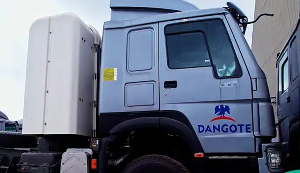 The photo used to illustrate the story