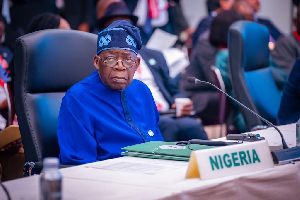
The Federal Government has declared that Nigeria has successfully navigated the most perilous phase of its economic restructuring, effectively averted a looming financial catastrophe and pivoted towards macroeconomic stability.
This was contained in a statement issued by the Senior Special Assistant on Communications and Press Secretary to the Minister of Finance and Coordinating Minister of the Economy, Maryann Duke.
Speaking at the Nigeria Employers’ Summit 2026 in Abuja, organised by the Nigeria Employers’ Consultative Association, the Minister of Finance and Coordinating Minister of the Economy, Taiwo Oyedele, delivered a definitive assessment of the nation’s financial trajectory.
The minister emphasised that the sweeping policy shifts introduced by President Bola Tinubu’s administration were bitter but mandatory pills required to save the state from fiscal insolvency.
Before the implementation of these aggressive reforms, the minister noted, Nigeria’s financial framework was fundamentally broken.
According to him, the vast majority of the country’s oil windfalls were swallowed by sweeping fuel subsidy payouts, while non oil revenues were heavily consumed by mounting debt obligations. This left virtually zero capital to inject into national infrastructure or critical public services.
Reflecting on the sheer necessity of the government’s actions, Oyedele remarked, “The reforms were not optional; they were necessary to prevent economic collapse. The task before us now is to consolidate the gains, deepen stability and accelerate productive, inclusive growth that improves the lives of Nigerians.”
He acknowledged the immediate hardships these policies triggered across the country but stated that the worst of the volatility had subsided, laying a reliable foundation to attract foreign direct investment and rebuild long term economic resilience.
Addressing one of the most contentious points of public debate – government borrowing – the finance minister challenged critics to view state liabilities through a modern financial lens rather than a personal one.
He argued that much of the public anxiety stems from viewing national debt as a personal moral failing rather than an active tool for development.
“A government that borrows is accused of mortgaging the future rather than exercising the sound fiscal strategy necessary to keep the economy running,” Oyedele stated.
To offset these pressures on vulnerable populations, Oyedele pointed to recent statutory adjustments designed to protect the lowest earners and micro enterprises.
“The recent tax reforms were deliberately designed to shield small businesses and low income households while ensuring that those with greater capacity contribute more towards financing public services and national development,” he explained.
While private sector leaders and economic analysts at the summit agreed that macroeconomic indicators were steadying, they pressed the government to ensure these high level stabilities translate quickly into lower operational costs for businesses and lower living costs for citizens.
The Chief Executive Officer of the Centre for the Promotion of Private Enterprise, Dr Muda Yusuf, alongside representatives from the Nigerian Economic Summit Group and the National Health Insurance Authority, urged deeper infrastructure interventions and stronger healthcare financing models.
Recognising that the path ahead remains demanding, Oyedele concluded with a call for national solidarity and an objective look at recent milestones.
“Adopt a more balanced narrative about the country’s progress. While challenges remain, significant improvements have been recorded in fiscal management, debt sustainability, investor confidence and economic stability,” the minister added.
Business News of Tuesday, 7 July 2026
Source: www.punchng.com
Nigeria escapes economic collapse, moves to stability — Finance minister
 Taiwo Oyedele