Finland has emerged as the happiest country in the world, topping the World Happiness Report 2026 for another year.
Finland has, over the last few years, ranked at the top globally, with strong social trust, effective governance, and high-quality public services, as well as a healthy work-life balance and a close connection to nature, among the reasons for its high ranking.
The World Happiness Report 2026, an annual report produced in collaboration with the United Nations, ranks countries based on citizens’ self-assessed life satisfaction.
Among the major considerations are income levels, social support, life expectancy, freedom, generosity, and perceptions of corruption.
The latest rankings are largely dominated by European nations, particularly those in the Nordic region:
1) Finland
2) Denmark
3) Iceland
4) Sweden
5) Netherlands
6) Costa Rica
7) Norway
8) Israel
9) Luxembourg
10) Mexico
In Africa, Mauritius ranks as the 73rd-happiest country globally, reflecting its strong social support, healthy life expectancy, and economic stability. The island nation balances a robust tourism sector with a growing finance industry, providing residents with opportunities and a high quality of life.
The others are
2) Libya (5.731)
Libya ranks 81st globally in happiness, emerging as one of Africa’s happier nations despite years of political turmoil. Social support networks remain strong, and residents value freedom to make life choices where possible. GDP per capita is variable, but community and generosity help offset economic uncertainty.
3) Algeria (5.714)
Algeria ranks 83rd globally, reflecting a society with strong family bonds and social cohesion. While economic growth has been uneven, residents benefit from social services and healthcare that support life expectancy.
4) Mozambique (5.336)
Mozambique ranks 93rd globally among the happiest countries, thanks to resilient communities and strong cultural traditions. Life expectancy has improved, and social support networks help residents weather economic and environmental challenges.
5) Gabon (5.167)
Gabon ranks 96th globally, with happiness driven by high per capita income from natural resources and strong social networks. Residents benefit from relative political stability, good healthcare, and educational opportunities. Life expectancy is among the highest in the region, and citizens enjoy freedoms that foster well-being.
6) Côte d’Ivoire (5.148)
Côte d’Ivoire ranks 98th globally, showing a steady rise in wellbeing due to improving economic conditions and urban growth. Social support is deeply embedded in Ivorian culture, with extended families and community networks playing vital roles. Citizens value personal freedom and actively engage in civic life, though challenges remain in rural areas.
7) Cameroon (5.083)
Cameroon ranks 100th globally, reflecting a mixed picture of economic development and social support. Urban populations benefit from growing business and education sectors, while rural communities rely on tight-knit family networks for support. Life expectancy is gradually improving, though healthcare access remains uneven.
8) South Africa (5.009)
South Africa ranks 101st globally, scoring modestly due to economic inequality, crime, and health challenges despite strong social support and vibrant cultural life. Urban centres like Johannesburg and Cape Town offer opportunities, but many rural areas face limited access to basic services.
9) Niger (4.940)
Niger ranks 103rd globally, reflecting strong social bonds and community resilience despite extreme economic challenges. GDP per capita is low, and access to healthcare and education is limited, yet residents report satisfaction with life.
10) Tunisia (4.798)
Tunisia ranks 105th globally, navigating economic pressures and political transitions while maintaining strong social support networks. Life expectancy is relatively high, and access to healthcare remains a priority for its citizens.
General News of Thursday, 26 March 2026
Source: www.mynigeria.com
Nigeriens, Libyans happier than Nigerians on the list of happiest countries in 2026
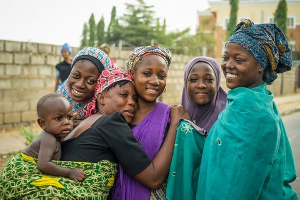 The photo used to illustrate the story