Xpress Payment Solutions Limited has said its next phase of growth will be driven by emerging technologies such as Artificial Intelligence (AI) and the Internet of Things (IoT), after processing transactions worth trillions of naira over the past decade.
Managing Director and Chief Executive Officer of the company, Mr. Wale Olayisade, disclosed this during a public lecture held in Lagos to mark the firm’s 10th anniversary.
Speaking on the theme, “A Decade of Innovation, A Future of Possibilities,” Olayisade said the company’s journey mirrors the rapid transformation of Nigeria’s payments ecosystem and the growing adoption of digital financial services.
According to him, AI and IoT will make payments more predictive, personalised and seamless.
“AI will enable us to better understand customers’ needs and anticipate the next steps in their financial journeys, reducing friction and enhancing convenience. The future is filled with possibilities,” he said.
Olayisade noted that Xpress Payment has played a key role in expanding financial inclusion by providing access to financial services in underserved communities and supporting Nigeria’s transition to a cashless economy.
“From processing zero transactions at inception, we have grown to handle transactions worth trillions of naira. We have simplified processes such as payment of school fees, hospital bills, utility bills and cable television subscriptions that previously required physical visits and long waiting times,” he said.
He credited the Central Bank of Nigeria (CBN) for creating a stable and secure operating environment through policies that protect consumers and strengthen confidence in the financial system.
Also speaking, Executive Director, Finance, Mrs. Temitope Ajanaku, described the anniversary as a testament to the company’s resilience amid challenges such as the COVID-19 pandemic and foreign exchange volatility.
Business News of Tuesday, 23 June 2026
Source: www.vanguardngr.com
Xpress payment eyes AI, IoT for next growth phase
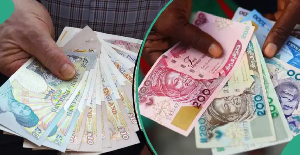
 The photo used to illustrate the story