Finding a place to live is only the beginning of the struggle.
After securing a house, tenants can face another battle: rising rent, sudden demands for payment, poor maintenance, disputed deposits and landlords who may be difficult to deal with.
Nigeria’s housing crisis has made the relationship between landlords and tenants increasingly complicated.
With demand for affordable accommodation remaining high in many cities, tenants often have limited bargaining power when negotiating with property owners.
When rent becomes a yearly crisis
For many tenants, rent is one of the biggest expenses in the household budget.
A sharp increase can force families to make difficult choices between housing, food, school fees, transportation and healthcare.
Some tenants say they are given little notice before rent is increased, leaving them with limited time to find an alternative.
Moving is not cheap either.
A tenant who leaves one property may have to pay agency fees, legal fees, caution fees, transportation costs and other charges before settling into another home.
The extra charges tenants face
Rent is not always the only payment demanded before a tenant receives the keys.
In some rental transactions, prospective tenants encounter multiple additional charges from agents, landlords and other intermediaries.
These costs can significantly increase the amount required to secure accommodation.
For people already struggling to raise annual rent, additional charges can make affordable housing even harder to find.
Repairs that never happen
A tenant’s problem does not necessarily end after moving in.
Leaking roofs, damaged plumbing, faulty electrical systems, broken doors and other maintenance issues can become sources of constant frustration.
In some cases, tenants complain that landlords delay repairs or expect occupants to pay for problems they believe should be the landlord’s responsibility.
When repairs are ignored for months, ordinary household problems can become serious safety or health concerns.
The power imbalance
The landlord-tenant relationship is rarely equal.
A landlord owns the property and can decide whether to renew a tenancy.
A tenant, particularly one with limited savings, may have few realistic alternatives if the rent is suddenly increased.
This imbalance can discourage some tenants from challenging unfair treatment because they fear losing their accommodation.
Eviction fears
The possibility of eviction is another source of anxiety.
A tenant who falls behind on rent or becomes involved in a dispute with a landlord may face the threat of being forced out.
But eviction is generally subject to legal procedures, and landlords cannot simply take the law into their own hands.
Tenants facing disputes should understand the tenancy laws applicable in their state and seek appropriate legal assistance rather than relying solely on verbal agreements.
The housing shortage
The pressure on tenants cannot be separated from Nigeria’s wider housing problem.
When affordable homes are scarce, landlords in high-demand areas have greater leverage.
People who work in major cities may have to choose between expensive accommodation close to their workplaces and cheaper housing located far away.
The cheaper option can then bring another cost: longer journeys, higher transportation expenses and more time spent commuting.
Not every landlord is the problem
It is important to recognise that the challenges in Nigeria’s rental market do not come from landlords alone.
Property owners also face rising construction costs, maintenance expenses, taxes, security concerns and economic uncertainty.
Some landlords struggle to maintain properties because they lack sufficient funds to carry out major repairs.
The real challenge is creating a rental system where both sides understand their rights and responsibilities.
What tenants can do
Tenants can reduce some disputes by insisting on written agreements and keeping records of payments and important communications.
Before renting a property, prospective tenants should inspect the building carefully and clarify who is responsible for repairs, utilities and other expenses.
They should also understand the tenancy laws applicable in their state.
Where a serious dispute develops, professional legal advice can help determine the appropriate course of action.
A housing problem bigger than landlord-tenant disputes
Nigeria’s rental crisis cannot be solved simply by telling landlords to charge less or tenants to complain more.
The country needs more affordable housing, stronger enforcement of tenancy protections and greater transparency in the rental market.
There is also a need to address the costs that make moving into a home so expensive in the first place.
For many Nigerians, a house should provide security and stability.
But when rent increases, maintenance problems and additional charges become overwhelming, the place meant to provide shelter can become another source of financial pressure.
General News of Sunday, 20 September 2026
Source: www.yaroinsider.ng
The landlords who make life unbearable for Nigerian tenants
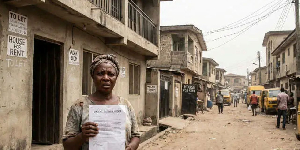 Illustrative photo