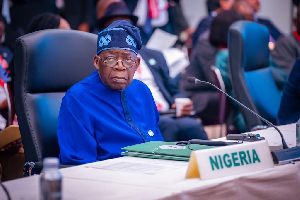
Former Kaduna Central senator, Shehu Sani, has explained why electronic transmission of election results cannot fully ensure free and fair elections in Nigeria.
Sani spoke on Wednesday during an appearance on Sunrise Daily, aired on Channels Television.
He was reacting to the recent amendment of the Electoral Act passed by the National Assembly.
The Senate had approved electronic transmission of election results while retaining manual collation as a backup system.
The decision has generated strong public debate across the country.
Sharing his views, Sani warned that technology alone cannot stop electoral malpractice.
He said, “Electronic transfer does not mean that we’re going to have 100% free and fair election. There is no electoral system that those who intend to rig would not be able to circumvent. Now you have a manual voting and electronic transfer of results.”
According to him, the real issue is not the method of transmitting results but the intention of those managing the process.
He explained that when there is a genuine commitment to fairness, elections will be credible.
However, when there is a deliberate plan to manipulate the process, loopholes will always be found.
Sani added, “So everywhere you go, if the nation is interested in organizing free, fair and credible elections, it will hold and if there is the intent and practice of manipulation, whatever you do they will find a way to rig it.”
He also raised concerns about vote-buying and voter inducement, saying laws alone cannot stop such practices.
Using an example, he said authorities lack the manpower to monitor every community and ensure voters are not influenced with money or material gifts.
He stated, “For example, now, you can have laws everywhere that voters should not be induced with money or anything material for them to vote, they will still do that and we don’t have the manpower to go to every nook and cranny to make sure people are not being induced.”
The former lawmaker stressed that reforms must go beyond technology and focus on political will, enforcement of laws, and strong institutions.
General News of Wednesday, 18 February 2026
Source: www.politicsnigeria.com
Shehu Sani reveals why E-Transmission can’t guarantee free and fair elections
 Former Kaduna Central senator, Shehu Sani