Domestic supply of Premium Motor Spirit (PMS), commonly known as petrol, rose by 37.7 percent in November 2025 to 23.52 million litres per day, up from 17.08 million litres per day in October, according to data from the Nigerian Midstream and Downstream Petroleum Regulatory Authority (NMDPRA).
The volume of petrol imported into the country also surged by 80.27 percent, reaching 52.1 million litres daily compared to 28.9 million litres in October. This brought the total average daily petrol supply for November to 71.5 million litres.
NMDPRA attributed the increase in November supply to the unusually low delivery rates recorded in September and October, which fell below the national demand threshold. It further linked the rise to efforts to build national stock levels ahead of the peak end-of-year demand.
According to the agency, the surge in imports by NNPC Limited, acting as a supplier of last resort, was aimed at strengthening inventory levels. It added that 12 vessels initially scheduled to discharge in October spilled over into November, boosting supply for the month.
The report put average daily petrol consumption at 52.9 million litres in November, with national stock sufficiency standing at 16.65 days.
It reported that all four refineries owned by NNPC Limited remained shut, with no confirmed date for resumption of operations.
Last month, NNPC Limited’s Group Chief Executive Officer, Bayo Ojulari, said the company was seeking technical partners to jointly operate the refineries.
Ojulari explained that beyond technical partnerships, significant upgrades were also required to bring the refineries’ output in line with modern product specifications.
“By the time we finish the ongoing rehabilitation, the products from those refineries will still be of a far lower standard than the Dangote Refinery,” he said.
“It will be two steps lower than current international specifications. So when I talk about ‘high grade’, it means we want to redesign to high grade so that the products we produce will meet international standards and become commercially competitive. That requires some redesign,” he added.
Business News of Thursday, 11 December 2025
Source: www.vanguardngr.com
Petrol supply from Dangote Refinery rises 38% to 23.5m litres daily
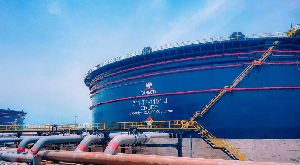 The photo used to illustrate the story


Opinions