Business News of Tuesday, 17 March 2026
Source: www.nationsonlineng.net
Nigeria moves to regulate $96b crypto market, protect investors

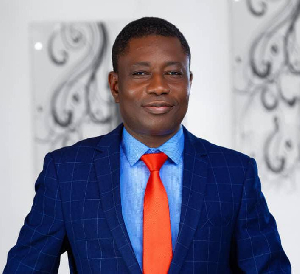
The rapid growth of cryptocurrency and digital assets in Nigeria has prompted regulators to strengthen oversight to protect investors and ensure transparency, according to the Director-General of the Securities and Exchange Commission (SEC), Emomotimi Agama.
Speaking during a Citizens and Stakeholders Engagement Session organised by the Federal Ministry of Finance in Abuja, Agama said that $96 billion in cryptocurrency and virtual asset transactions were recorded in 2025, underscoring the urgent need for regulation. “This volume of activity makes it essential that we protect investors and build confidence in the market,” he said.
Agama explained that the recently enacted Investment and Securities Act 2025 provides the SEC with enhanced powers to regulate digital assets, strengthen systemic risk management, and align Nigeria’s market operations with global standards. The law also confirms the SEC as the apex regulator of the capital market.
He said the nation’s capital market has continued to support investment across the economy, approving N3.68 trillion in new capital market issues in 2024, including both equities and fixed income instruments. The capital market has also played a key role in strengthening banks during recapitalisation exercises, enabling more than 31 banks to raise funds to meet capital requirements.
The SEC boss added that the market’s total capitalisation rose from N55 trillion in 2024 to about N127 trillion currently, while the market capitalisation-to-GDP ratio increased from 13 per cent to roughly 33 per cent, reflecting growing confidence and activity.
He said the SEC has issued more than 90 advisory notices warning Nigerians about unregistered or fraudulent investment schemes and has intensified collaboration with the Nigeria Police Force to investigate and prosecute offenders.
Read Also: JUST IN: FG fulfils promise as D’Tigress receive house documents, national honours in France
Agama stressed the difference between investors, who put money into approved platforms, and victims, who fall prey to unregulated schemes promising unrealistic returns.
The SEC has also supported infrastructure and development funding through state bond issuances, with safeguards like the Irrevocable Standing Payment Order (ISPO) ensuring repayment directly from states’ Federation Account allocations. Additionally, the commission has launched the Office of Municipal Fund Development and supported the Ministry of Finance Incorporated Real Estate Investment Fund (MREIF) to provide long-term funding for housing and other critical projects.
Looking ahead, Agama said the commission plans to deepen the market further, aiming to raise the capital market capitalisation-to-GDP ratio from 30 per cent toward levels seen in emerging economies like India, where the ratio is 92 per cent.
Also speaking at the session, the Permanent Secretary of the Federal Ministry of Finance Mr. Raymond Omenka Omachi addressed concerns about the performance of the federal budget, explaining that several factors have affected implementation.
He said Nigeria has faced challenges meeting the oil production benchmark of about 2.1 million barrels per day, while fluctuations in global oil prices have also affected revenue.
The Permanent Secretary added that the budget benchmark was set at $75 per barrel, but oil prices at some point fell below $60 per barrel, reducing expected government revenue.
He noted that rising debt servicing obligations and increased salary commitments have also placed pressure on available funds.
According to him, the government is taking steps to improve the situation through regular monitoring of revenue and expenditure.
He said the ministry now holds weekly cash management meetings every Monday to review government finances and identify ways to boost revenue performance.
The Permanent Secretary added that the government expects improvements once Nigeria returns to operating a single budget cycle, noting that plans are underway to collapse overlapping budgets so that the country will run only one national budget from 2026 onward.