For decades, religion has remained one of the most sensitive and deeply personal conversations in Nigeria, a country where Christianity and Islam dominate the spiritual landscape. GeographicReference
However, a growing number of entertainers are now challenging the status quo by publicly embracing African Traditional Religion, sparking fresh conversations about identity, culture and the roots of spirituality.
At the centre of the conversation are Nigerian music stars who have openly declared their connection to African indigenous beliefs, particularly Ifa and Isese traditions.
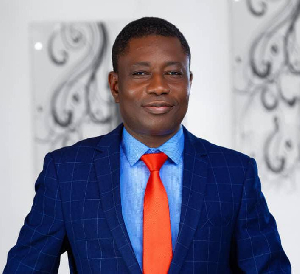
One of the most prominent voices in this movement is veteran singer, Abolore Akande, popularly known as 9ice. The ‘Gongo Aso’ crooner recently released a 13-track album centred around his new spiritual journey, with the project reflecting his renewed interest in Ifa philosophy and African traditional beliefs.
During the listening session for the album, 9ice used the platform to speak about his beliefs, questioning some widely held religious practices and expressing his conviction that African spirituality deserves recognition and understanding.
“I’ve been a Babalawo now for more than 18 years, but I hid it because some people would run from me if they knew. So I’ve been hiding it. So, there’s something we call ‘Odun Ifa’, and when we do it, it’s like you are appreciating God and thanking Him for what He has done before. But on that night you’re praying for the year that is yet to come, please, God, guide me. Please tell me what I need to do. Please tell me what I need to run away from.
“I’ve been hiding and doing it. And I was thinking, which topic of the song do I want to talk about? Rather than looking. Let my people know my kind of God. My own God. Then if I want to think about my God, He’s so traditional. There’s a way we call ourselves. There’s something Oracle said about the hair, hands and everything in life”, 9ice said.
His comments, especially his views on religious traditions outside African indigenous systems, generated discussions among fans and social media users, with many debating his position on spirituality and cultural heritage.
Following a similar path is indigenous music star Qdot, who publicly revealed his embrace of Isese after years of being associated with Islam.
Known for infusing Yoruba language and culture into his music, the singer explained that 'African romance stories are grossly underreported’
his spiritual identity is now connected to African traditional beliefs.
“I had since left Islam. How would some Islamic
radicals be killing innocent souls and no single Islamic leader is condemning
it? That means they are happy,” Qdot said. The development attracted attention because Qdot had previously included Islamic elements, including Quranic recitations, in some of his songs, making his spiritual transition a major talking point among fans.
Meanwhile, United States-based Nigerian singer Jah Bless has also continued to promote African spirituality through his social media platforms. The artiste has argued that African traditional beliefs existed before the arrival of Christianity and Islam, describing them as part of the heritage of African people. Demographics
According to him and other advocates of Isese, the movement is not about rejecting God but reconnecting with an indigenous system of spirituality that they believe existed before foreign religious influences.
The conversation has also attracted reactions from personalities outside music. Popular actor Bayo Bankole, better known as Boy Alinko, weighed in on the debate through a Facebook comment, describing the growing interest in African Traditional Religion as a conversation that deserves attention.
“Opening a discussion on ATR is a good move; 9ice and Qdot have given it the momentum and awareness it needed. Many have already joined, but are too ashamed to celebrate it,” he wrote.
For many, the growing visibility of Isese among entertainers represents a wider cultural conversation happening across Africa and among members of the diaspora. While some Nigerians have welcomed the development as a return to cultural roots, others have criticised it, arguing that Christianity and Islam remain important parts of Nigeria’s identity. GeographicReference
The entertainment industry has historically been a platform where artists express personal beliefs, social issues and cultural movements. The renewed interest in African spirituality is therefore not only a religious discussion but also a reflection of a generation exploring questions around identity and the meaning of culture in modern Nigeria.
Entertainment of Sunday, 12 July 2026
Source: www.thenationonline.ng
How Nigerian entertainers are driving new conversation about African spirituality
 Singer 9ice