In Iseyin, the heart of Nigeria’s aso-oke weaving industry, demand for the handwoven Yoruba fabric is rising at home and abroad, offering jobs to artisans even as many weavers resist mechanised looms to preserve the craft’s traditional character.
The Heritage Premium
Aso-oke is a handwoven Yoruba fabric strongly associated with ceremonies, identity and premium fashion use, which helps explain why demand rises around weddings, naming events and major cultural occasions. Reporting from 2026 says demand is increasing both in Nigeria and abroad, driven partly by the diaspora and the wider global appeal of Nigerian fashion.
The sector is benefiting from a “heritage premium”. Consumers want authenticity, and that supports higher value for handwoven goods even if output stays limited. This provides a useful contrast with mass-produced textiles and helps explain why automation has not fully displaced the craft.
“This is a story about how a centuries-old textile economy is surviving in the global market precisely because it remains handmade, culturally symbolic and difficult to automate.”
Resisting the Machines in Iseyin
Iseyin in Oyo State remains a major weaving hub, and artisans there are benefiting from growing local and international interest in the fabric. Rising demand there translates directly into local jobs for weavers, merchants and related workers.
Despite this surge, many artisans in Iseyin continue to prefer ancient hand techniques and resist mechanical looms despite strong demand. The fabric is gaining global attention, but the production model remains slow, manual and skill-based, which limits volume while helping preserve authenticity and cultural value.
Context Box: The Aso-Oke Economy
Economic Value: Business reporting says aso-oke exports rose in 2023 and generated foreign exchange, showing that the fabric is not just a local cultural symbol but also an export product.
Market Drivers: Demand for locally produced and traditional textiles is being supported by renewed interest in cultural heritage, sustainability, and e-commerce distribution.
Labour Dynamics: The sector’s growth is not coming from industrial scaling, but from the labor-intensive preservation of traditional methods.
Key Hub: Iseyin is repeatedly described as a key production center, often cited as Nigeria’s biggest or one of its biggest aso-oke hubs.
The Social Call-to-Action (CTA) How can Nigeria balance the preservation of our traditional crafts with the global demand for our cultural exports? Share your thoughts on this intersection of heritage and commerce with us on NTA’s official Facebook and X platforms!
General News of Wednesday, 24 June 2026
Source: www.nta.com
Aso-Oke Export Boom: Iseyin weavers preserve heritage against automation
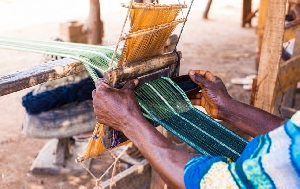 Aso-Oke weaving