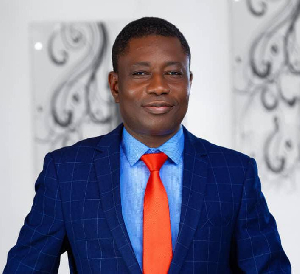
Executive Chairman of the Federal Inland Revenue Service (FIRS), Dr. Zacch Adedeji, has announced that under the upcoming tax reforms, 95% of Nigerians will not be required to pay tax.
According to him, the redesigned system is structured to shift the burden away from low-income earners and focus more on the wealthiest individuals in the country.
Dr. Adedeji’s comments were delivered in Ilorin, Kwara State, shortly after he was honoured by the University of Ilorin Alumni Association.
New tax regime to exempt majority of Nigerians
Represented by Prof. Abiola Sanni (SAN), he emphasised that the reform is intentionally designed to target “those at the top of the pyramid,” ensuring a fairer contribution from citizens with higher economic advantages.
He said:
“Under the new emerging tax system, 95 per cent of Nigerians will pay no tax. Whether you like it or not those whom God has blessed and those benefiting from the economy but have not been paying their own fair share of the tax burden will be now be made to do so."
According to The Nation, he also disclosed that FIRS will undergo a name change beginning January 2026, signalling a broader shift in Nigeria’s approach to revenue generation.
He explained that the transformation is driven by the need to overcome persistent revenue challenges and improve the nation’s poor tax-to-GDP ratio.
New tax system would be more business-friendly
Prof. Sanni highlighted that the new tax structure, set to take effect in January 2026, aims to be both taxpayer-friendly and supportive of business growth.
He described the forthcoming changes as the most far-reaching and business-oriented tax reforms the country has seen.
He contrasted the new model with past practices, noting that previous systems placed undue pressure on individuals in the informal sector and on salaried workers.
Under the new plan, however, the wealthiest Nigerians, many of whom have not been paying their fair share, will play a more significant role in funding national development.
In explaining the approach, he stated that while some countries impose tax rates as high as 50% on top earners, Nigeria’s reformed system will cap this at about 25% after allowable deductions.
The revenue generated, he stressed, is essential for improving infrastructure, education, and key public services.
Prof. Sanni added that Nigerians should expect the establishment of a new tax institute as part of the broader reform, noting that the FIRS name change also reflects its evolving identity beyond a strictly federal institution.
Business News of Saturday, 13 December 2025
Source: www.legit.ng
95% of Nigerians to pay no tax under Tinubu's new tax reform — FIRS Boss
 95% of Nigerians to pay no tax under Tinubu's new tax regime, says FIRS boss




Opinions